
Top Moments: Budget Committee Hearing “Oversight of the Congressional Budget Office”
WASHINGTON, D.C.—On Tuesday, the House Budget Committee held an oversight hearing titled “Oversight of the Congressional Budget Office (CBO)” to evaluate the CBO’s modeling, transparency, scoring accuracy, and preparedness in light of a worsening fiscal outlook. Members pressed CBO Director Phillip Swagel on the benefits of an independent audit, health care estimates, and the need for more timely baseline updates.
Director Swagel Confirms: The One Big Beautiful Bill Lowers Health Insurance Premiums
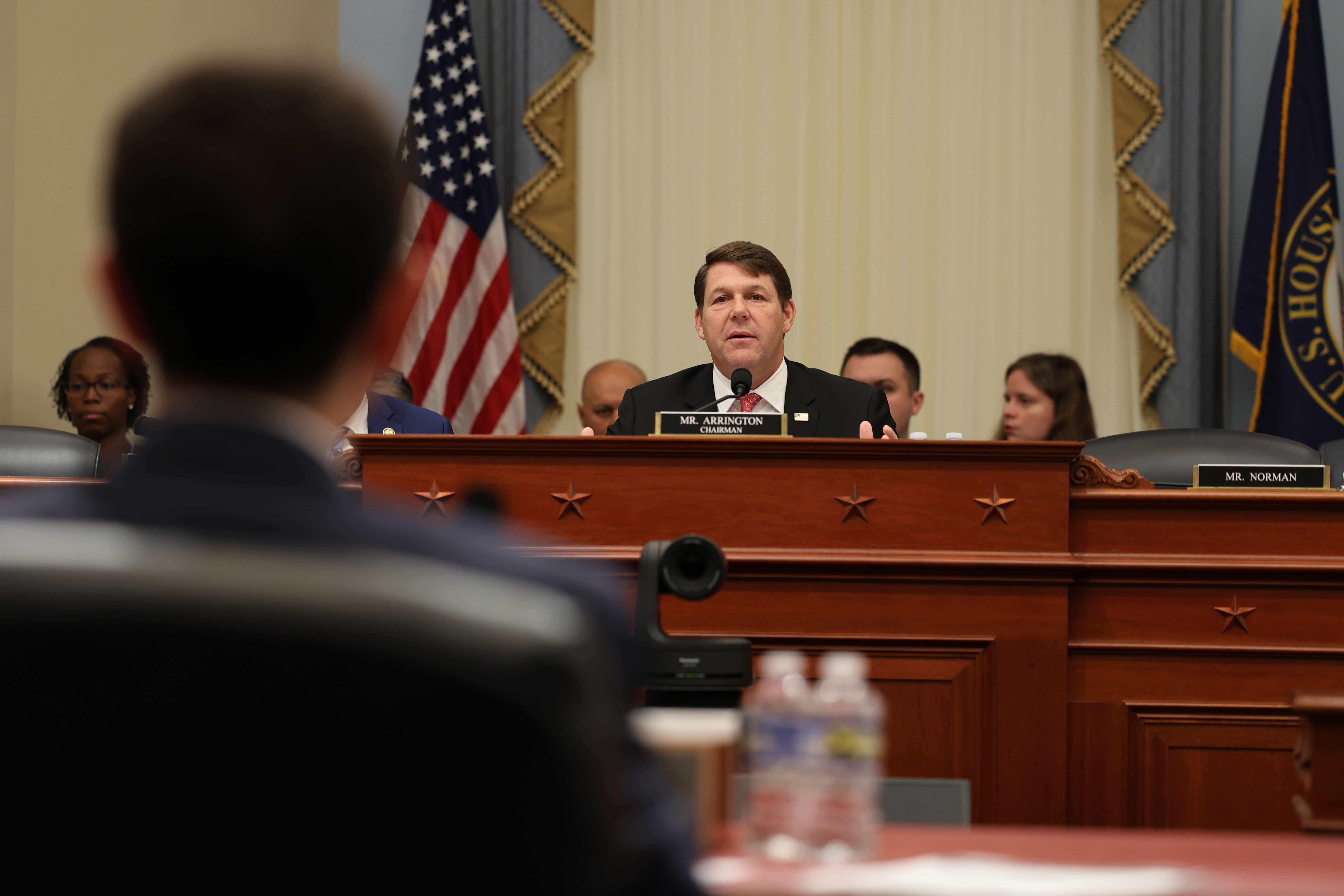
Chairman Arrington (R-Texas): “CBO opined on the reconciliation bill, the Republican reconciliation bill, and its impact on premiums. You all wrote a formal missive, that our legislation would in fact bring down premiums because of the roughly trillion dollars of rooting out waste, fraud, and abuse in health care. Is that a true statement?”
Director Swagel: “We wrote a letter to you and Chairman Guthrie, that included that information. That is right, that the legislation in our analysis will bring down premiums. Theres a variety of reasons, puts and takes, but the net is that will lower premiums.”
Chair of Health Care Task Force Rep. Blake Moore (R-Utah): Makes the Case for More Frequent CBO Baselines—and Director Swagel Agrees
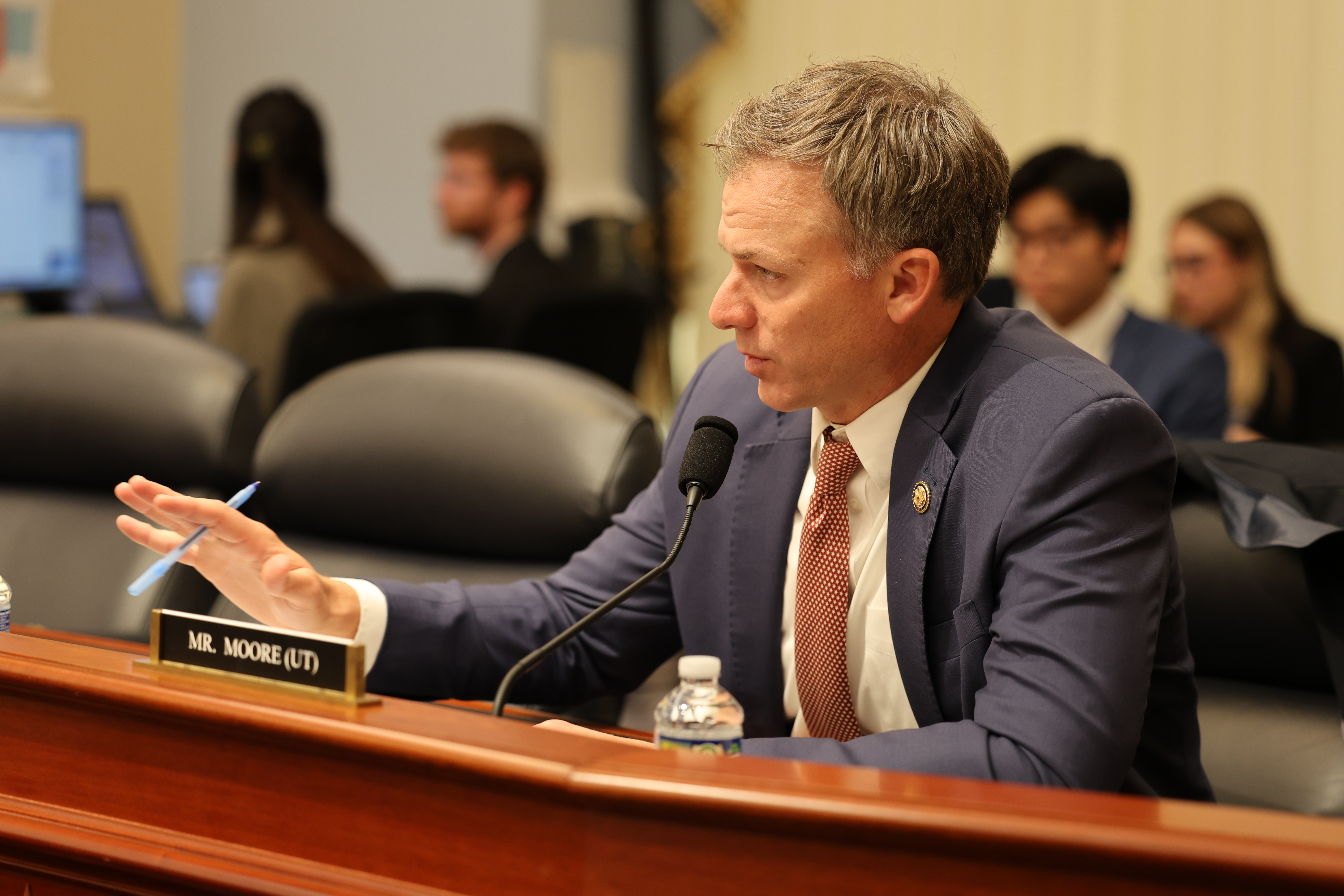
Rep. Moore: “As you know, the current law requires CBO to publish its annual baseline before February 15th of each year. For those of you listening at home, all seven of you, the baseline is an official projection of federal outlays and revenues. According to existing law, the baseline is crucial for policymaking in congress but naturally can change as the years go on and legislation is passed. Despite that, there is no requirement for any periodic update to the baseline. Assume you know where I’m going with this, as we worked on a legislation
last Congress. Typically, the CBO does not publish updates late in the calendar year, leaving Congress lacking information when considering common end of year packages that approach sometimes in the November-December time frame, or in a lame duck period. The CBO has not provided three baseline updates in the same calendar year since 2019 and has not published an update after July since 2020. Last Congress, I introduced legislation that unanimously passed this committee and the House that requires CBO to produce at least
two updates to the baseline each calendar year. Question: what value would regularly updated baselines provide Congress, as we consider legislation and the other side of it. We understand there is always a cost to this, it is a significant amount of work. What kind of burdens or barriers would CBO face in producing three baselines per year?”
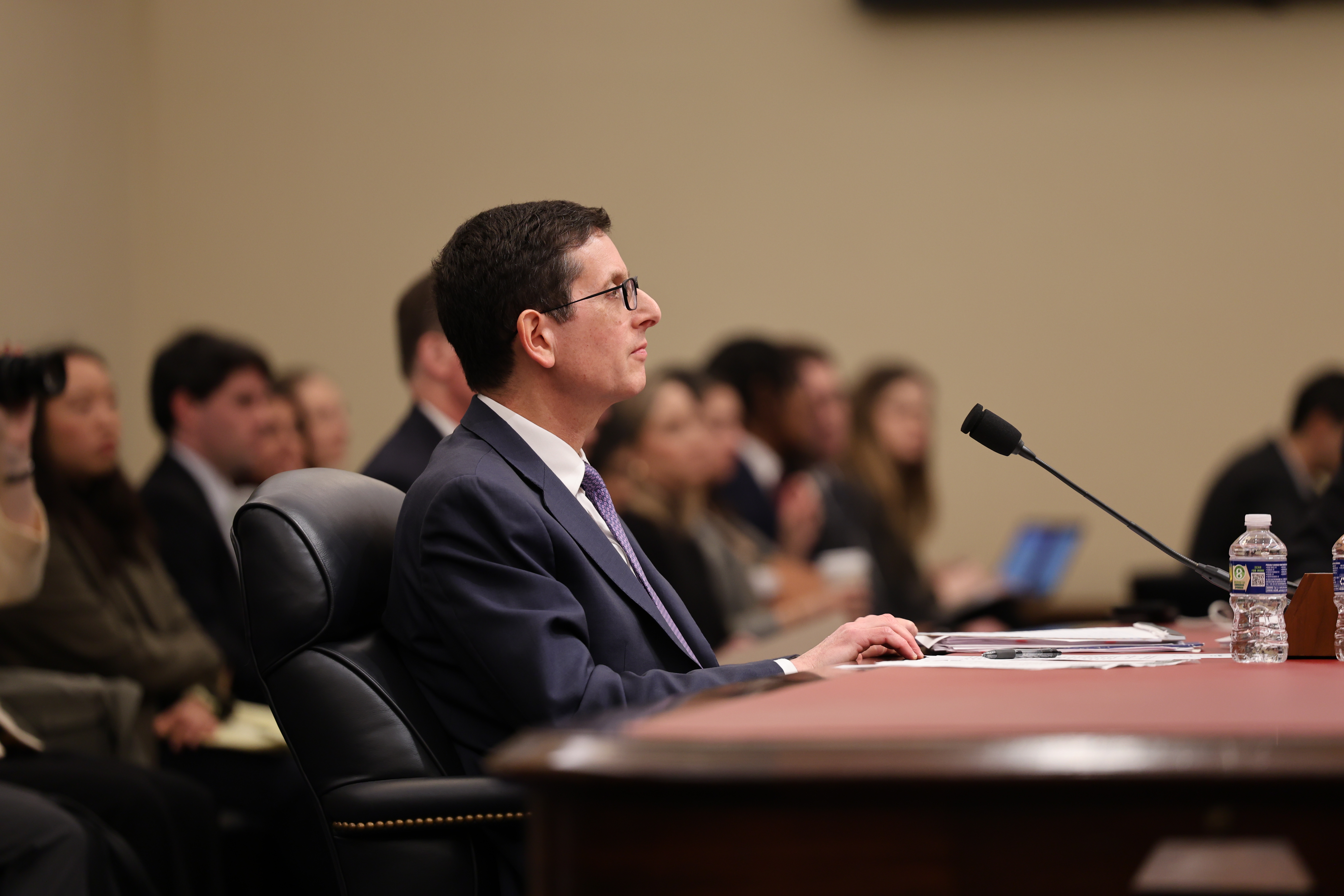
Director Swagel: “So on the value, it would make members in the public better informed about what’s happening with the budget. We had an earlier question about executive actions, with a budget update we could build those things into the baseline right away, and you would be able to see it. To me that is the value, better, sooner information. The cost that we didn’t do on, we haven’t done it since January 17th. We’ve been so focused on reconciliation, it crowded out our ability, to do in some sense the third, the third of the three. The second, we would normally do with the President’s budget. It’s very typical in a transition year, we don’t have a full budget of the usual schedule. Not a criticism of the administration, it’s just a normal aspect of a transition.”
Rep. Moore: “Is there a scale aspect here, like if you do more regularly keep them updated that it’s easier to do the next version of it because you’re more up to date?”
Director Swagel: “There probably is, you know there’s always going to be changes that are like sharp discontinuities. Yeah, there probably is some aspect of that.”
Rep. Chip Roy (R-Texas) asks Director Swagel if temporary Obamacare subsidies will “materially impact the bottom line" of American taxpayers or insurance companies
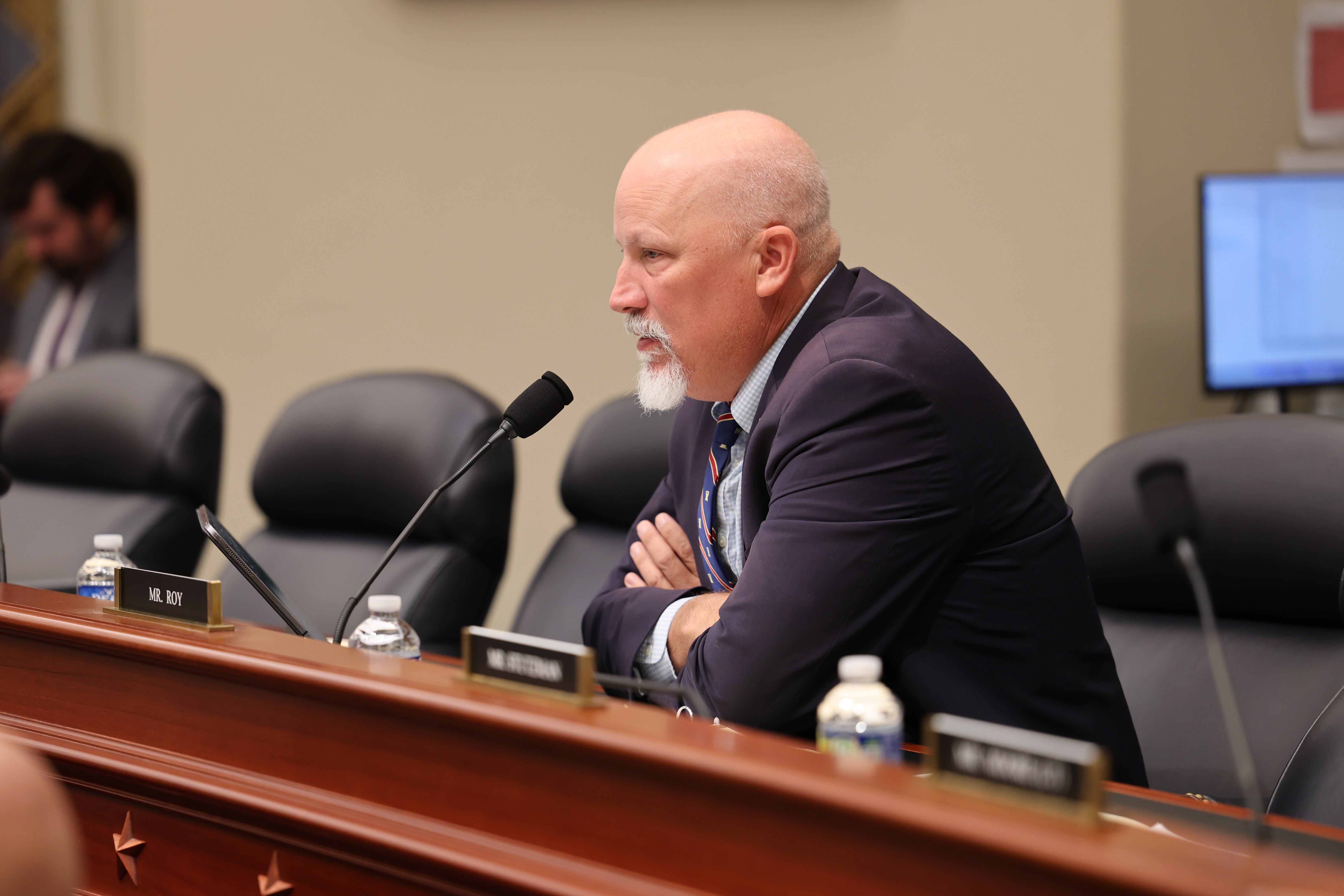
Rep. Roy: “So, my colleagues on the other side of the aisle that passed these by their vote alone could not do them for 10 years. Could not do them for beyond two years. And so here we sit and now we're being told we must adopt these subsidies that were not even a part of your analysis because they were supposed to be temporary. And so my question for you is as you're looking forward in terms of the baseline and going forward is do you think that these subsidies are materially going to impact the bottom line of any American taxpayers or will they more likely affect the bottom line of insurance companies that get literally 85% of their revenue from the federal government?”
Director Swagel: “I understand the question. We haven't done that exact analysis, but it'll have those effects because people will, you know, lose coverage, will have less subsidies. The tax credit, the mechanism is that the money goes directly to the insurance company and so that'll have an effect on the insurance company.”
Rep. Roy: “So, that's an important point here. The money that's being talked about goes directly to the insurance company, which is then supposedly supposed to materialize in some manifest benefit for taxpayers. So, here's another question. Since 2010, since the advent of Obamacare as it's called or the Affordable Care Act or as the Washington Post refer to it recently as the unaffordable care act in essence has not health care as a percentage of the budget grown from something in the zip code all in Medicare, Medicaid, ACA, VA, all health related grown from something like 17 to 18% in 2010 to 29 to 30% today.”
Director Swagel: “No, that's right. It's something that we're thinking a lot about is what more information we can provide you on options to change the such as the shape of spending with health care.”
Chairman Arrington Secures Director Swagel’s Support for Independent Audit
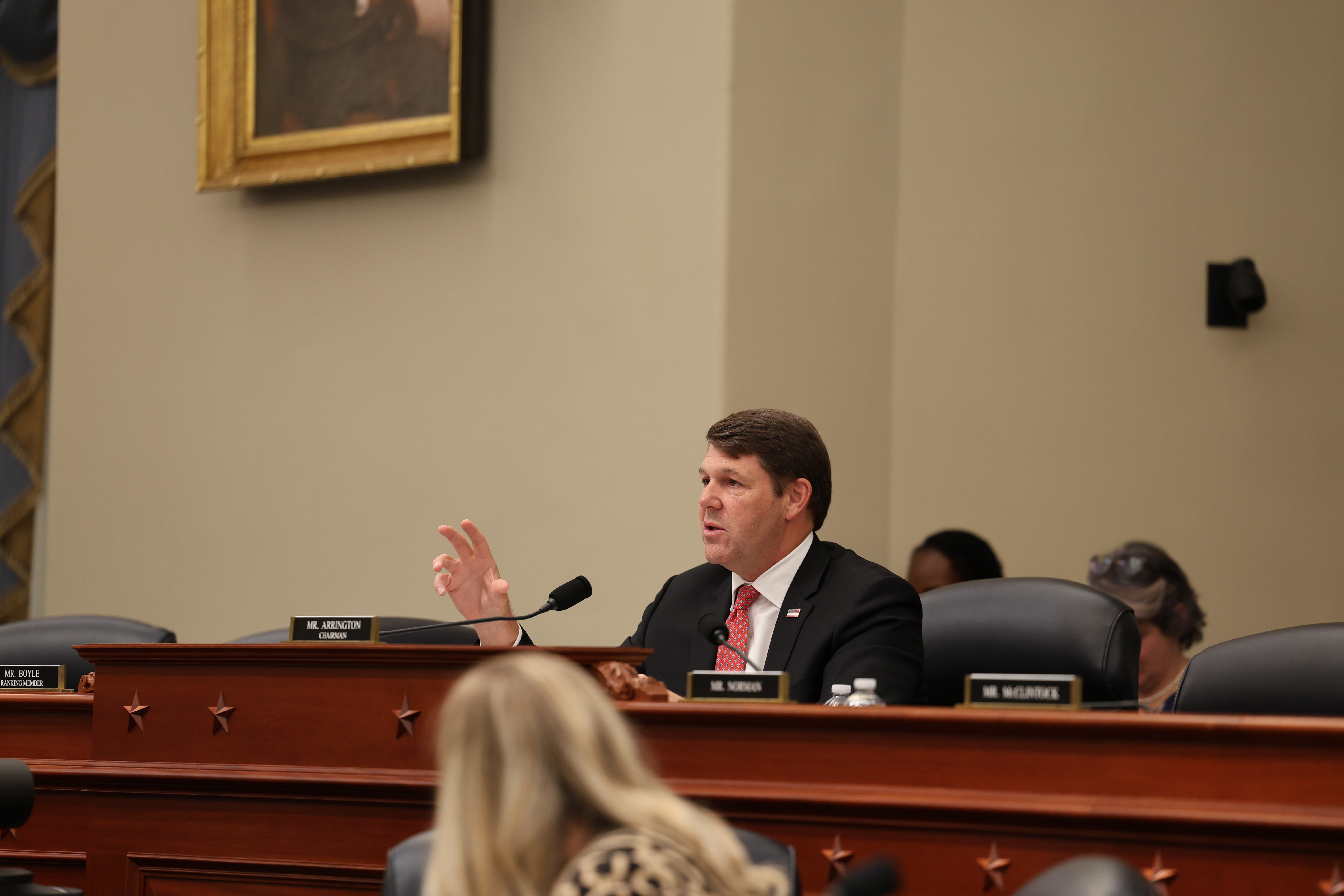
Chairman Arrington: “Give me a good reason, Phil, that we wouldn’t endeavor together to have this independent audit. It’s been 50 years. We’re celebrating 50 years, and we haven’t had a single audit, other than financial audits. Why wouldn’t we do this? Do it this year together.”
Director Swagel: “I support that. I support having people look at what we’re doing, give us constructive feedback. Absolutely, I wholeheartedly agree and I think we both understand, we all understand, the details will matter. The substance will matter. Some of the things we do, we do because we have to for the legislation. That will require the right group to assess what we’re doing. Whereas some things we do, many people do, and that you know, is easier.”